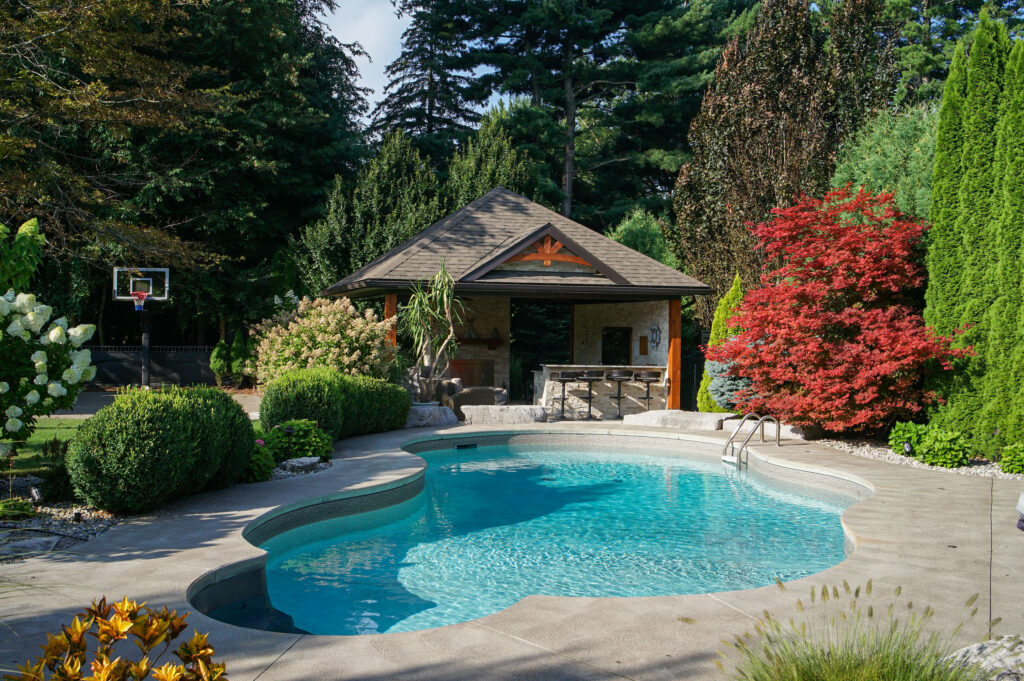
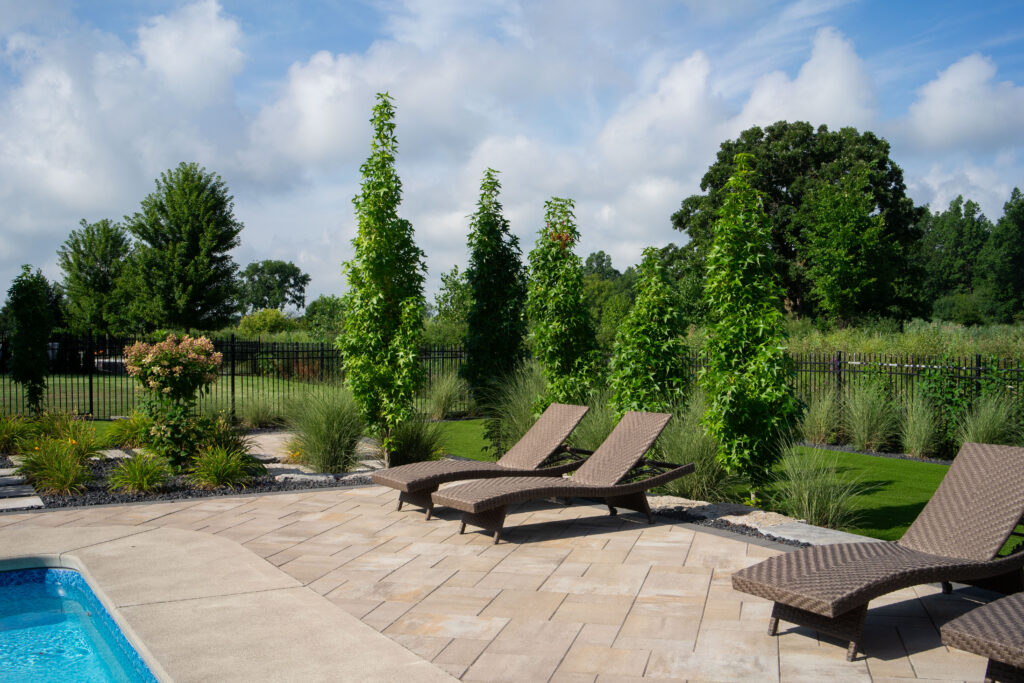
Outdoor plants are one of the most visible elements of any property.
But without proper care, even healthy landscapes can decline quickly.
Many homeowners and businesses unknowingly make outdoor plant care mistakes that weaken plant health, increase maintenance costs, and shorten the lifespan of their landscaping.
The good news? Most of these mistakes are preventable.
Let’s look at the most common issues and how to avoid them.
1. Overwatering
More water does not mean healthier plants.
Overwatering can lead to:
- Root rot
- Fungal growth
- Nutrient leaching
- Weak root systems
Plants need balanced hydration based on soil type, plant species, and seasonal conditions.
Irrigation systems should be adjusted throughout the year, not left on the same setting indefinitely.
2. Underwatering During Heat Waves
On the opposite end, insufficient watering during summer stress can cause:
- Wilting
- Browning leaves
- Premature leaf drop
- Permanent plant damage
Outdoor plant care mistakes often happen when watering schedules don’t adapt to extreme temperatures.
Consistent monitoring is essential.
3. Pruning at the Wrong Time
Improper pruning is one of the most common plant care errors.
Cutting at terrors in the wrong year can:
- Remove next season’s blooms
- Exposing plants to disease
- Encourage weak regrowth
- Stress root systems
Each plant species has specific pruning windows.
Timing matters.
4. Planting Without Considering Growth Size
Plants that look manageable when installed can quickly outgrow their space.
Overcrowding leads to:
- Reduced airflow
- Increased disease risk
- Root competition
- Constant trimming
Planning for mature plant size prevents long-term maintenance headaches.
5. Ignoring Soil Health
Healthy soil is the foundation of strong plants.
Compacted or nutrient-deficient soil can cause:
- Stunted growth
- Poor water absorption
- Weak root systems
Mulching, aeration, and soil amendments are essential parts of proper plant care.
Ignoring soil health gradually weakens the entire landscape.
6. Choosing Plants Unsuitable for Local Climate
Selecting plants based solely on appearance often leads to failure.
Outdoor plant care mistakes frequently stem from choosing species that:
- Cannot tolerate local winters
- Struggle with summer heat
- Require excessive watering
- Are prone to local pests
Selecting climate-appropriate plants significantly reduces maintenance demands.
7. Skipping Seasonal Maintenance
Plants require different care in spring, summer, fall, and winter.
Failing to adjust care routines seasonally can result in:
- Winter root damage
- Spring nutrient deficiencies
- Summer stress
- Fall plant vulnerability
Seasonal planning keeps landscapes resilient year-round.
8. Allowing Weeds to Spread
Weeds compete with plants for:
- Nutrients
- Water
- Sunlight
Left unchecked, they weaken surrounding vegetation and increase long-term workload.
Consistent weed control prevents larger infestations later.
9. Neglecting Drainage Issues
Pooling water is a serious warning sign.
Poor drainage can lead to:
- Root suffocation
- Soil erosion
- Structural instability
- Pest attraction
Addressing drainage early prevents significant landscape damage.
10. Waiting Until There’s a Visible Problem
One of the biggest outdoor plant care mistakes is reactive maintenance when symptoms appear, such as yellowing leaves, wilted branches, and plant loss or damage, which may already be advanced.
Proactive care prevents decline before it becomes visible.
Why These Mistakes Are So Common
Many property owners underestimate the dynamic nature of outdoor environments.
Weathernature of changes. Soil growth patterns evolve.
Without consistent monitoring, small issues escalate.
Even low-maintenance landscapes require structured oversight.
How Professional Maintenance Prevents These Mistakes
Working with a professional landscaping partner ensures:
- Correct watering adjustments
- Proper seasonal pruning
- Soil health management
- Climate-appropriate plant selection
- Early detection of disease or stress
- Structured seasonal care
Rather than reacting to plant failure, you prevent it.
This proactive approach reduces long-term replacement costs and preserves curb appeal.
Signs Your Landscape May Be Suffering
Watch for:
- Yellowing or browning leaves
- Stunted growth
- Excessive leaf drop
- Overgrown or uneven plant beds
- Persistent weed growth
- Water pooling
These signs often indicate one or more of the outdoor plant care mistakes listed above.
Low-Maintenance Landscaping Still Requires Expertise
Even landscapes designed for reduced upkeep require professional guidance.
Hardy plants, smart spacing, and proper irrigation systems simplify care, but they do not eliminate it.
Consistent monitoring keeps small adjustments from becoming large repairs.
Final Thoughts
Outdoor plant care mistakes are common but preventable.
Overwatering, improper pruning, poor plant selection, and neglected drainage all contribute to declining landscapes.
With structured, professional maintenance, your plants remain healthy, resilient, and manageable.
If you want your outdoor space to stay strong without becoming a constant project, a proactive maintenance plan makes all the difference.
To explore how consistent plant care can protect your landscape long-term, consider consulting with a professional landscaping team focused on durability and ease of upkeep.