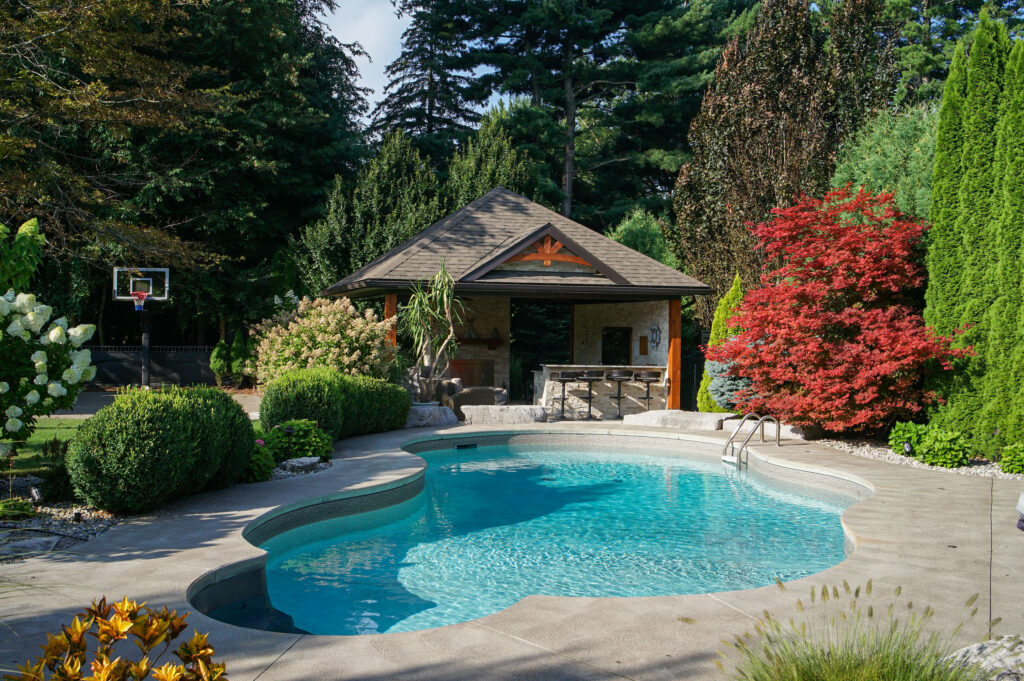
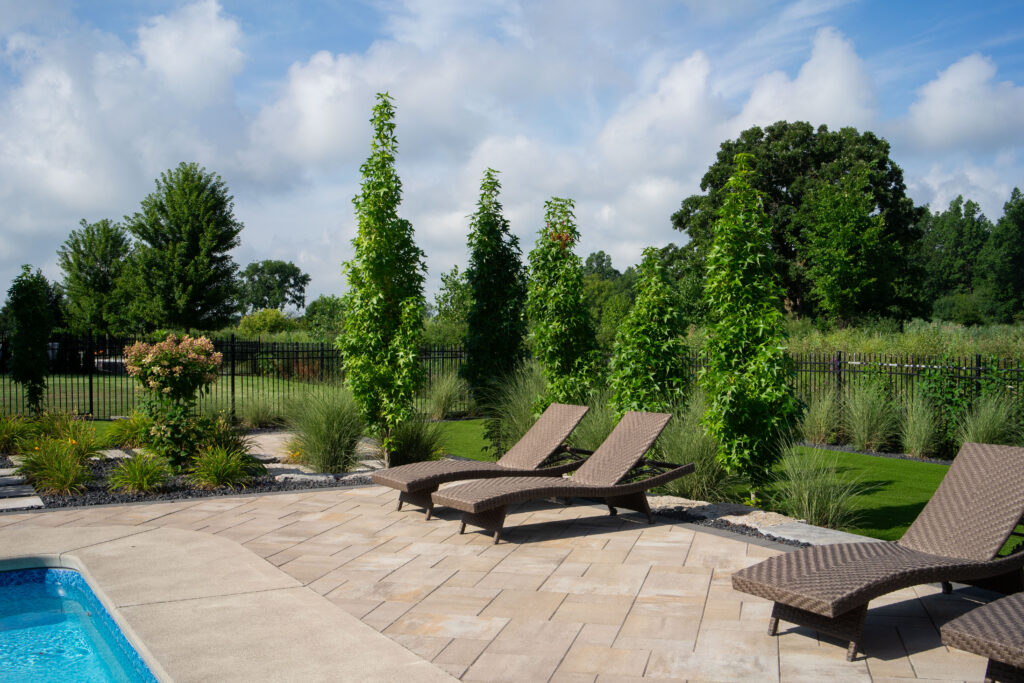
Many property owners use the terms” landscaping” and “hardscaping” interchangeably.
They are related, but they are not the same.
Understanding the difference between landscaping and hardscaping is essential if you want an outdoor space that looks beautiful, functions properly, and stays manageable over time.
When designed together, these two elements create durable, low-maintenance outdoor environments that add real value to residential and commercial properties.
Let’s break it down.
What Is Landscaping?
Landscaping generally refers to the living elements of your outdoor space. This includes:
- Trees and shrubs
- Flowers and garden beds
- Lawn areas
- Soil preparation
- Mulch and organic ground cover
- Irrigation systems
Landscaping focuses on plant life and the natural aesthetic of your property.
Professional landscaping considers more than appearance. It involves:
- Proper plant selection for Windsor-Essex climate conditions
- Drainage planning
- Soil health
- Growth patterns
- Long-term maintenance requirements
Well-planned landscaping enhances curb appeal, improves environmental health, and creates welcoming outdoor spaces.
What Is Hardscaping?
Hardscaping refers to the non-living structural elements of your property. This includes:
- Patios
- Walkways
- Retaining walls
- Driveways
- Stone features
- Decks and fencing
- Outdoor seating areas
Hardscaping provides structure, accessibility, and functionality.
Without properly installed hardscaping, landscapes can suffer from:
- Soil erosion
- Poor drainage
- Uneven walking surfaces
- Increased maintenance demands
Hardscape features form the foundation that supports the softer elements of landscaping.
Landscaping vs Hardscaping: The Core Differences
The simplest way to understand landscaping vs hardscaping is this:
Landscaping is living.
Hardscaping is structural.
But the bigger difference lies in how they interact.
Landscaping brings softness, color, and movement.
Hardscaping brings durability, stability, and usability.
When one is emphasized without the other, problems often arise.
Too much landscaping without structural planning can lead to excessive upkeep and drainage issues.
Too much hardscaping without greenery can create harsh, uninviting spaces that lack warmth.
The goal is balance.
Why You Need Both for a Complete Outdoor Space
An effective outdoor design intentionally integrates both landscaping and hardscaping.
Here’s why that matters.
1. Proper Drainage and Erosion Control
Retaining walls, grading, and stonework guide water flow.
Without this structural support, plant beds may flood, roots can rot, and soil can shift.
2. Reduced Maintenance
Strategically placed hardscaping reduces the amount of lawn and high-maintenance planting areas.
This results in:
- Less mowing
- Fewer weeds
- Lower irrigation demand
- Simplified seasonal care
Designing with maintenance in mind is one of the smartest long-term decisions property owners can make.
3. Improved Accessibility
Walkways, patios, and properly leveled surfaces create safe movement throughout your space.
For commercial properties, especially, accessibility is not optional. It directly impacts safety and liability.
4. Enhanced Visual Appeal
Hardscaping frames landscaping.
A well-built patio highlights garden beds.
A retaining wall defines space.
A walkway guides visitors naturally through the property.
Together, they create cohesion.
Common Mistakes When Landscaping and Hardscaping Aren’t Coordinated
One of the biggest risks is hiring separate contractors who do not collaborate.
This often leads to:
- Plants placed too close to structures
- Poor drainage around patios
- Mismatched materials
- Inconsistent grading
- Increased long-term repair costs
A professionally coordinated design ensures both landscaping and hardscaping work together from day one.
That coordination dramatically reduces future problems.
Low-Maintenance Design Starts With Integration
Many homeowners and businesses say they want a low-maintenance yard.
But low maintenance does not happen by accident.
It requires:
- Smart plant selection
- Strategic hardscape placement
- Proper spacing
- Soil preparation
- Long-term planning
By thoughtfully balancing landscaping and hardscaping, maintenance becomes predictable rather than overwhelming.
For commercial properties, this can mean fewer service interruptions and more consistent first impressions.
For homeowners, it means enjoying their space rather than constantly working on it.
Landscaping vs Hardscaping for Commercial Properties
For businesses, both elements serve different but equally important purposes.
Landscaping:
- Softens building exteriors
- Improves customer perception
- Supports environmental sustainability
Hardscaping:
- Creates clear entry points
- Enhances safety
- Provides gathering areas
- Reduces muddy or hazardous surfaces
A professional landscaping partner ensures these elements do not compete with each other but support your operational goals.
Planning Both Together From the Start
The most successful projects begin with a unified plan.
When landscaping and hardscaping are designed simultaneously:
- Materials complement plant life
- Drainage is engineered correctly
- Maintenance demands are calculated
- Budgets are optimized
Rushed projects often prioritize appearance over function.
That approach usually leads to higher long-term costs.
Strategic planning prevents unnecessary revisions and protects your investment.
How to Know What Your Property Needs
Every property is different.
A residential backyard transformation will look very different from a commercial plaza redesign.
However, both benefit from asking:
- How will this space be used?
- What level of maintenance is realistic?
- How will water move through the property?
- What materials will endure long-term?
- How can design reduce future upkeep?
A professional landscaping consultation helps answer these questions before installation begins.
Final Thoughts: It’s Not Landscaping vs Hardscaping, It’s Landscaping and Hardscaping
The conversation should not be about landscaping vs. hardscaping, as if you must choose one.
The strongest outdoor environments intentionally combine both.
Landscaping brings life.
Hardscaping brings structure.
Together, they create functional, durable, and manageable outdoor spaces.
If you are planning an outdoor upgrade or looking to reduce maintenance headaches, start with a comprehensive design approach that integrates both from the beginning.
To explore how thoughtful landscape and hardscape planning can transform your property, consider speaking with a professional landscaping partner who understands long-term durability and care.