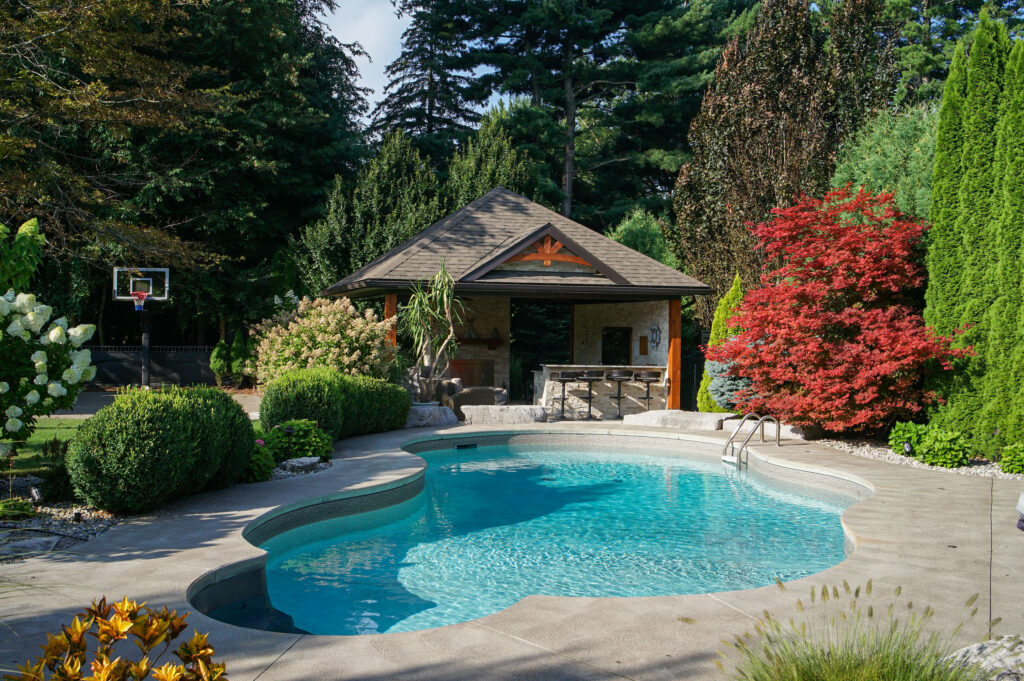
Landscaping is often misunderstood.
Some view it as seasonal labor or general outdoor work.
In reality, landscaping as a skilled trade requires technical knowledge, physical expertise, environmental understanding, and structural precision.
It combines horticulture, construction, design, engineering principles, and project management into one profession.
For individuals seeking a hands-on, growth-oriented career path, landscaping offers long-term opportunity and meaningful work.
Landscaping Requires Technical Knowledge
Modern landscaping is far more than planting shrubs or laying sod.
Professionals must understand:
- Soil composition and drainage
- Plant biology and growth patterns
- Irrigation systems
- Hardscape installation techniques
- Grading and erosion control
- Equipment operation
- Safety standards
Each project requires planning, coordination, and problem-solving.
This is why landscaping as a skilled trade demands both training and ongoing development.
Hardscaping Involves Structural Precision
Installing patios, walkways, and retaining walls requires:
- Proper base preparation
- Load distribution knowledge
- Drainage integration
- Measurement accuracy
- Material compatibility
Improper installation can result in shifting, cracking, or long-term structural damage.
Skilled landscaping professionals are trained to build outdoor spaces that last.
This construction element elevates landscaping beyond basic yard work into the realm of skilled trades.
Horticulture Is a Specialized Discipline
Plant selection is not guesswork.
Professionals must consider:
- Climate compatibility
- Soil conditions
- Growth rates
- Root systems
- Pest resistance
- Seasonal care requirements
Understanding how plants respond to environmental conditions requires education and hands-on experience.
Landscaping as a skilled trade blends science with practical application.
Problem-Solving in Real Time
Outdoor environments present unpredictable challenges:
- Changing weather
- Soil variability
- Drainage issues
- Site constraints
- Unexpected underground obstacles
Landscaping professionals must adapt quickly and find solutions without compromising long-term results.
This problem-solving ability is what distinguishes skilled tradespeople from casual labor.
Career Growth Opportunities in Landscaping
Landscaping offers multiple career paths, including:
- Installation technician
- Horticulture specialist
- Hardscape installer
- Maintenance supervisor
- Project manager
- Landscape designer
- Operations management
With experience, professionals can move into leadership roles or specialized disciplines.
Because landscaping combines technical skill and creative thinking, long-term advancement opportunities are strong.
A Career That Builds Visible Results
One of the most rewarding aspects of landscaping is tangible impact.
At the end of a project, you can see the transformation.
You contribute to:
- Safer commercial properties
- More functional outdoor spaces
- Improved environmental conditions
- Enhanced community aesthetics
Few careers provide such immediate and lasting visual results.
Landscaping Supports Environmental Stewardship
Landscaping professionals play an important role in:
- Stormwater management
- Soil preservation
- Urban greening
- Sustainable planting practices
- Reduced heat island effects
Strategic landscape design supports ecological health.
Landscaping as a skilled trade contributes directly to healthier communities.
The Demand for Skilled Trades Is Growing
Skilled trades across Canada continue to face workforce shortages.
Landscaping is no exception.
As property development increases and communities prioritize green infrastructure, demand for trained professionals remains steady.
For individuals seeking stability and long-term opportunity, landscaping offers strong potential.
Physical Work With Professional Skill
Landscaping requires physical effort, but it also requires precision and expertise.
Operating equipment, shaping plant beds, and installing structural features demand attention to detail.
Professionals must follow safety standards and industry best practices.
It is hands-on work backed by technical understanding.
Landscaping Is More Than Seasonal
While outdoor work may fluctuate with seasons, many landscaping companies provide year-round services such as:
- Snow and ice management
- Interior plant services
- Planning and design work
- Equipment maintenance
- Project coordination
Landscaping as a skilled trade can provide stable, ongoing employment when structured professionally.
Training and Development Matter
Reputable landscaping companies invest in:
- Skill development
- Safety training
- Equipment certification
- Leadership growth
- Horticultural education
This professional development reinforces landscaping’s position as a respected trade.
Structured training improves quality, safety, and long-term career advancement.
Why Professional Standards Matter
Because landscaping involves structural and horticultural components, professionalism is critical.
High standards ensure:
- Durable installations
- Proper drainage
- Healthy plant growth
- Reduced maintenance burdens
- Safe commercial environments
Elevating landscaping as a skilled trade benefits both professionals and property owners.
When skilled tradespeople lead projects, results last longer and perform better.
Is Landscaping the Right Career Path?
Landscaping may be a strong fit for individuals who:
- Enjoy working outdoors
- Prefer hands-on tasks
- Value visible results
- Appreciate teamwork
- Want to develop technical skills
- Seek long-term trade opportunities
With proper training and mentorship, landscaping offers growth and stability.
Final Thoughts
Landscaping is not simply yard work.
It is a skilled trade that combines science, construction, design, and problem-solving.
From structural hardscaping to plant health management, professionals bring technical expertise to every project.
As communities continue to value well-designed, low-maintenance outdoor environments, skilled landscaping professionals will remain essential.
For those considering a career path that blends craftsmanship with environmental impact, landscaping offers a meaningful and lasting opportunity.