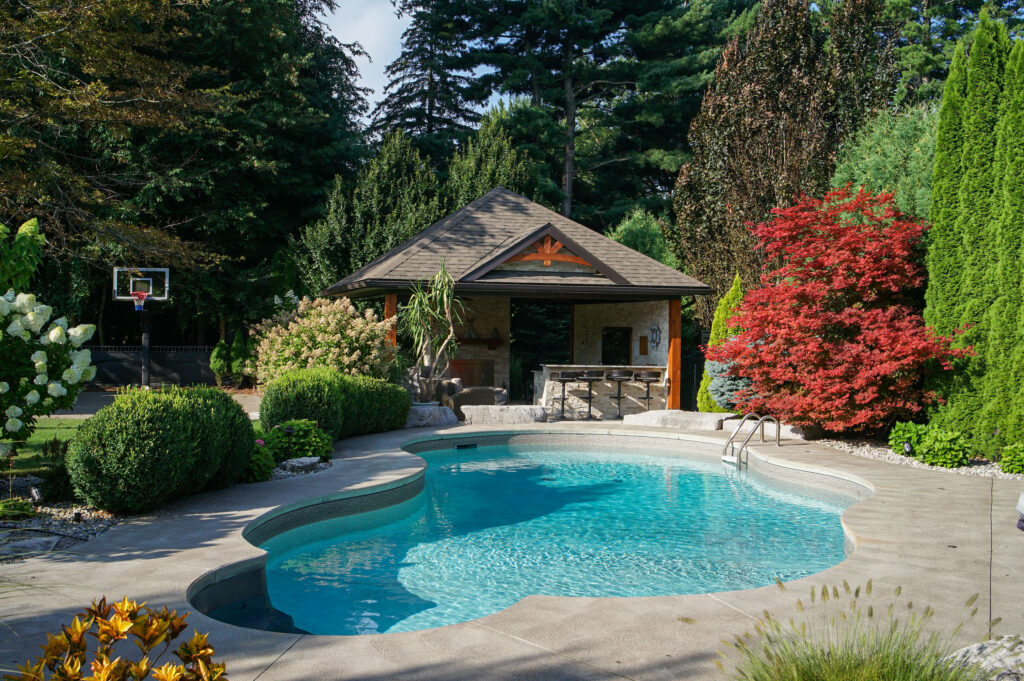
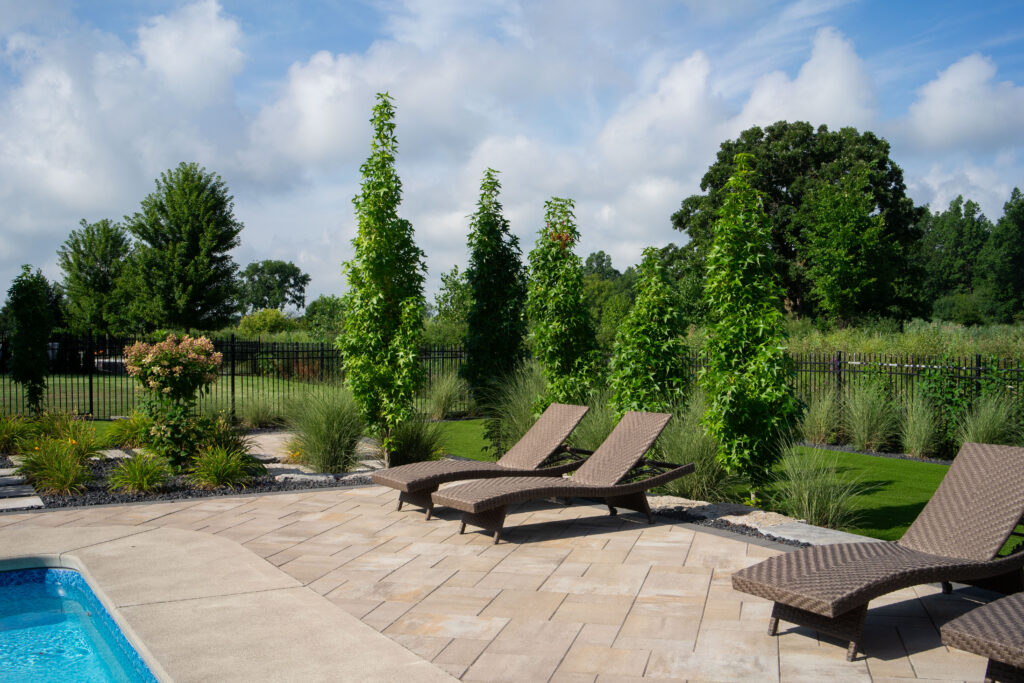
Landscaping is often treated like a weekend project.
Pick some plants. Install a patio. Add mulch. Done.
But rushed outdoor projects frequently lead to drainage problems, overcrowded plant beds, shifting hardscapes, and rising maintenance costs.
Professional landscape design planning ensures your outdoor space works long-term, not just on installation day.
If you’re investing in your property, thoughtful planning is what protects that investment.
The Hidden Cost of Rushed Landscaping
Quick decisions often ignore long-term consequences.
Common rushed mistakes include:
- Poor plant spacing
- Improper grading
- Inadequate drainage planning
- Overuse of high-maintenance turf
- Hardscapes installed without proper base preparation
At first, everything may look fine.
But over time, problems surface.
Cracked patios. Flooded garden beds. Dead plants. Erosion.
Correcting these issues often costs significantly more than doing the job properly from the start.
What Professional Landscape Design Planning Includes
True professional landscape design planning goes far beyond choosing plants and materials.
It involves:
- Site evaluation and soil analysis
- Drainage and grading assessment
- Sun exposure mapping
- Plant growth forecasting
- Hardscape integration
- Maintenance forecasting
- Budget alignment
Every element is considered in relation to the others.
This integrated approach ensures your landscape is both beautiful and sustainable.
Designing With Maintenance in Mind
One of the most overlooked aspects of landscaping is future workload.
A rushed design often results in:
- Plants that require constant trimming
- Lawns that demand heavy irrigation
- High-maintenance flower beds
- Poor accessibility for maintenance crews
Professional landscape design takes into account how the space will be maintained year after year.
Low-maintenance plant selection, strategic hardscaping, and proper spacing all reduce long-term effort.
Designing for easier upkeep is one of the smartest financial decisions a property owner can make.
Drainage and Structural Integrity
Water is one of the most destructive forces in landscaping.
Without proper planning:
- Water pools near foundations
- Soil erodes
- Retaining walls shift
- Roots suffocate
Professional design ensures grading and drainage systems are engineered before installation begins.
This prevents long-term structural damage and protects your property’s foundation.
Rushing this phase can create costly problems to fix.
Coordinating Problems
Many projects treat softscape and hardscape elements separately.
This fragmented approach often leads to:
- Plants placed too close to patios
- Inconsistent material choices
- Walkways that disrupt drainage
- Hard surfaces that overpower green space
Professional landscape design planning integrates both from the beginning.
The result is a cohesive, functional outdoor space that balances beauty and durability.
Commercial Properties Require Strategic Planning
For businesses, rushed landscaping decisions can impact more than appearance.
Poor design may affect:
- Accessibility compliance
- Customer flow
- Signage visibility
- Liability risk
- Ongoing maintenance budgets
Professional planning ensures commercial landscapes align with operational needs.
This is especially important for properties that require consistent year-round presentation.
Plant Selection Is About Longevity
Choosing plants based solely on appearance can lead to:
- Overgrowth
- Root interference
- Excessive pruning needs
- Increased pest vulnerability
Professional landscape design planning evaluates:
- Climate compatibility
- Soil conditions
- Growth rates
- Long-term resilience
Strategic plant selection dramatically reduces future replacement costs.
It also ensures your landscape matures gracefully rather than becoming unmanageable.
Budget Predictability Starts With Planning
Rushed projects often exceed budgets due to:
- Unanticipated drainage corrections
- Material replacements
- Rework
- Plant replacements
When planning is thorough, budgets become more predictable.
Every element is scoped with long-term durability in mind.
This protects not only your landscape but also your financial investment.
Signs Your Landscape Was Rushed
You may be dealing with a rushed design if you notice:
- Uneven grading
- Water pooling
- Overcrowded planting beds
- Excessive trimming needs
- Cracked or shifting hardscapes
- Frequent plant replacement
If these issues are present, a structured redesign may be necessary to stabilize the space in the long term.
The Value of a Design-First Approach
A design-first approach ensures:
- Proper sequencing of installation
- Reduced maintenance burdens
- Structural durability
- Long-term plant health
- Coordinated aesthetics
Rather than reacting to problems, you prevent them.
This approach transforms landscaping from a cosmetic upgrade into a strategic investment.
Low-Maintenance Outcomes Require Strategic Planning
Low-maintenance landscapes do not happen by accident.
They are the result of:
- Intentional plant selection
- Efficient irrigation systems
- Hardscape balance
- Soil health preparation
- Proper spacing
When professional landscape design planning is prioritized, ongoing maintenance becomes simpler and more predictable.
That simplicity benefits both homeowners and commercial property managers.
Final Thoughts
Landscaping is not just about what looks good today.
It’s about how your outdoor space performs five, ten, or even twenty years from now.
Professional landscape design planning protects your investment, reduces long-term costs, and ensures your space remains functional and attractive.
Rushing the process may save time initially, but it often creates avoidable expenses later.
If you’re considering a new outdoor project or evaluating an existing landscape, starting with a thoughtful, professionally developed plan is the smartest way forward.
To explore how structured design planning can create a durable, low-maintenance outdoor space, consider speaking with a professional landscaping partner who prioritizes long-term performance.